

Photo: Alex Critchley
Memory Tree
Commemorate your special day or the life of a loved one with a memory leaf
Placing a specially engraved leaf on one of our Memory Trees is the perfect way to celebrate life events such as weddings, anniversaries and birthdays, as well as the memory of a loved one.
Our Memory Trees stand within the Visitor Village in the beautiful setting of Brockholes Nature Reserve, outside the Visitor Centre at Mere Sands Wood - our very own birders' paradise, and outside our Visitor Centre at Lunt Meadows, so you can visit your memory leaf whenever you like. Surrounded by wildlife and beautiful birdsong, a visit to see your memory leaf is a peaceful opportunity to feel thankful or reflect.
The Memory Trees also support our work across Lancashire, Manchester and North Merseyside, helping to protect wildlife and wild places for generations to come.
Your leaf, whether in memory or in celebration, will help us to protect the special places nature calls home
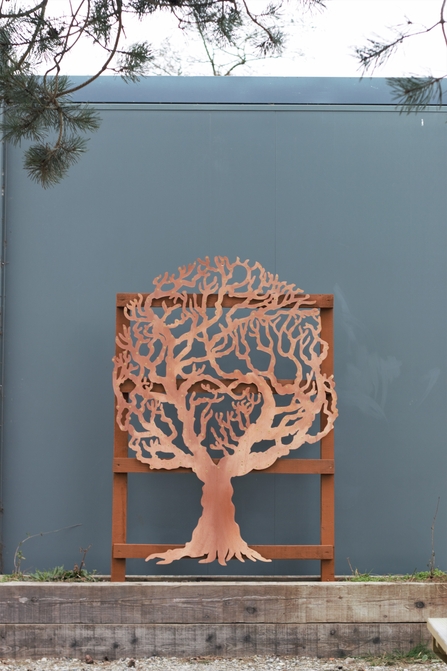
The Mere Sands Wood Memory Tree, by Charlotte Varela
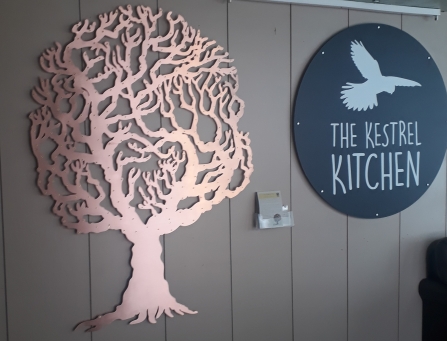
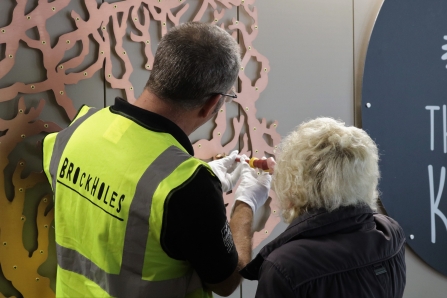
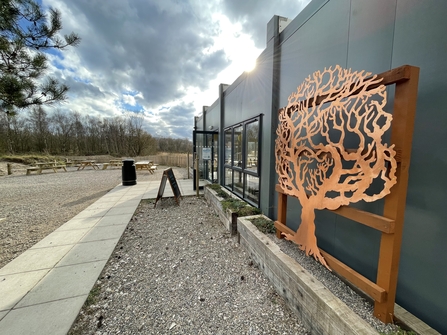
The Memory Tree at Mere Sands Wood, by Charlotte Varela
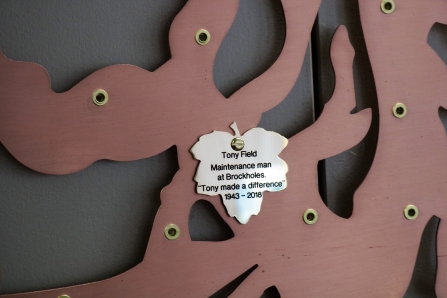
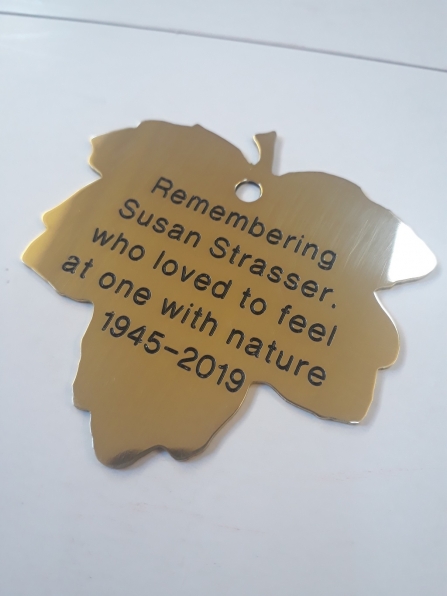
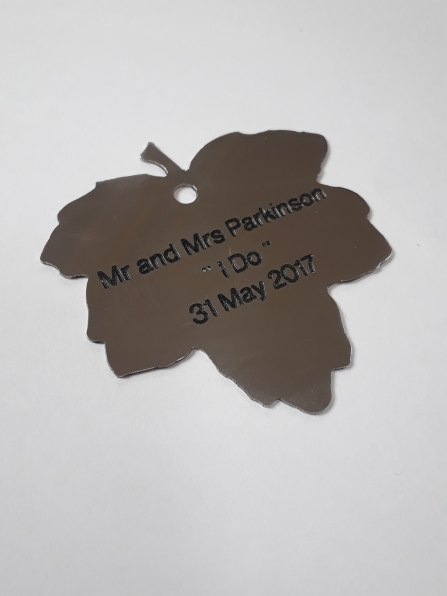
Choose the colour of your memory leaf
Leaves for our memory tree are available in three colours: bronze, silver and gold. Each leaf comes at a minimum donation cost and is placed on the Memory Tree for a set number of years. After this, you can take the leaf home with you to treasure in your home or garden, or you can request to keep it on the Memory Tree for longer.
Once you have purchased your leaf, a friendly member of our team will then get in touch to discuss the wording you'd like on the leaf, confirm the reserve you wish for your leaf to be displayed at and answer any questions you may have. If you have purchased a lifetime leaf we will ask you to choose whether you would prefer a bronze, silver, or gold leaf.
If you would prefer not to pay online, payments can be made by cheque, BACS transfer or on the phone card payment. If you have any questions, please contact the team on membership@lancswt.org.uk and we'd be happy to help.

Small copper by Amy Lewis

Cottongrass grows on peat bogs and is one of just a few foodplants of the rare large heath butterfly. Image by Mark Hamblin/2020VISION

The golden plover is one of our most beautiful upland birds. Image by Andrew Parkinson/2020VISION

Barn owl by Andy Rouse/2020VISION
Frequently asked questions
We know that remembering a loved one in nature is deeply personal, and we're honoured that so many people choose to celebrate a life through the places we care for.
Our dedicated memory trees provide a lasting and meaningful way to remember someone special while helping us protect the wildlife and landscapes that make our nature reserves so unique. By bringing dedications together in carefully chosen locations, we can minimise disturbance to sensitive habitats, care for memorials over time and help keep them safe from damage or vandalism.
We understand that you may have questions about why we can only accommodate in memory dedications through our memory trees. To help explain our approach, we've answered some of the questions we're most frequently asked below.
Can I scatter ashes at a nature reserve?
Unfortunately, we aren't able to allow the scattering of ashes on our nature reserves. Our reserves are carefully managed to protect wildlife and sensitive habitats, and introducing cremated ashes can affect soil chemistry and the plants and animals that depend on these environments. We kindly ask people to refrain from scattering ashes at any Lancashire Wildlife Trust nature reserve.
Can I purchase a bench to commemorate a loved one?
While memorial benches can be a wonderful addition to public spaces, they also require ongoing inspection, maintenance and occasional replacement to ensure they remain safe for everyone to use. As a conservation charity, we have to carefully balance these long term responsibilities with the resources needed to manage and restore habitats for wildlife.
Unfortunately, benches can also be vulnerable to vandalism, theft and arson, which can be distressing for the families who have chosen them as a lasting tribute. In some locations, repeated damage has meant memorials have had to be removed or replaced.
Can I plant a tree in memory of a loved one?
Our nature reserves are carefully managed according to long term conservation plans, with every decision made to benefit wildlife. This includes carefully considering whether new trees should be planted, which species are appropriate and where they will have the greatest ecological benefit. In some habitats, such as peatlands, wetlands, wildflower meadows and heathlands, planting trees can actually be harmful and damage the very wildlife we're working to protect. Where tree planting is needed, it forms part of planned habitat restoration using the right species in the right place.
Our woodlands are also living, changing environments that require ongoing management. Trees can be affected by disease, storms or natural ageing, and in some areas we use traditional practices such as coppicing to maintain healthy, diverse woodland habitats. This means we can't guarantee that an individually planted memorial tree would remain in place indefinitely, and there may be occasions where the tree, and any associated memorial, would need to be removed as part of responsible conservation management. For these reasons, we cannot offer memorial tree planting.
Can I release birds or butterflies on to your nature reserves as a memorial?
We understand why releasing birds or butterflies can feel like a meaningful way to remember someone special. However, we aren't able to allow the release of any animals or insects on our nature reserves.
Our reserves are carefully managed to support healthy, naturally occurring populations of wildlife. Releasing captive bred birds, butterflies or other species can unintentionally introduce disease, affect the genetic diversity of wild populations or disrupt the delicate balance of local ecosystems. In many cases, released animals are also poorly equipped to survive in the wild, which can compromise their welfare.
The best way to help wildlife is to allow nature to thrive naturally. That's why we focus our efforts on restoring habitats, protecting existing species and creating the conditions for wildlife to flourish on its own. By purchasing a memory leaf on one of our dedicated trees, you are helping us to care for and preserve the native wildlife on our sites.
Can I leave flowers at a nature reserve?
We kindly ask that flowers, wreaths and other memorial items are not left on our nature reserves. While these gestures are made with the very best intentions, they can have unintended impacts on the wildlife and habitats we're working to protect.
Cut flowers are often not native to the area and can introduce pests or diseases. Floral foam, plastic wrapping, ribbons and wire can also become litter, posing a risk to wildlife and creating additional maintenance for our conservation teams. Even biodegradable items can take time to break down and may affect sensitive habitats.
To help keep our reserves as safe as possible for both wildlife and visitors, any flowers or memorial items left on site may need to be removed.
Can I scatter wildflower seeds at a nature reserve?
Although many seed mixes are marketed as 'wildflowers', they can contain species that aren't native to the local area or aren't appropriate for the habitat where they're sown. Introducing new plants can alter the delicate balance of an ecosystem and compete with the wildflowers that are already growing there. For that reason, we kindly ask that wildflower seeds are not scattered on our nature reserves.
Every one of our nature reserves is managed according to a long term conservation plan. When we create or restore wildflower habitats, we carefully select the right species for the right place, often using locally sourced seed that reflects the natural character of the landscape.
The best way to help wildflowers thrive is to allow our conservation teams to manage habitats using methods that are based on ecological evidence and designed to benefit wildlife in the long term.
If you'd like to remember a loved one in a way that also supports nature, our dedicated memory trees offer a lasting tribute while helping us protect the special places they cherished.