

The Carbon Landscape was the flagship programme of the Great Manchester Wetlands Partnership.
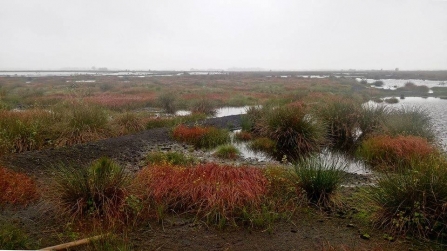
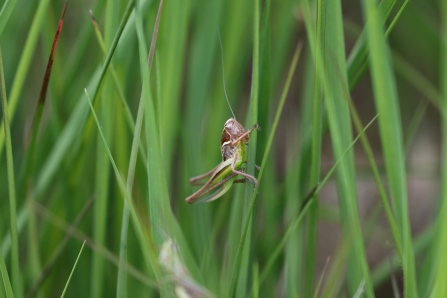
This diverse landscape spanning the Great Manchester Wetlands Nature Improvement Area consists of water, fen, wet grassland, wet woodland and lowland raised bog with a rich natural environment woven into its industrial heritage. It boasts rare wildlife such as willow tits, bitterns, great crested newts, water voles, orchids, bog specialist flora, and black-necked grebes.

Delivery partners came together to deliver a £3.2million programme funded by the National Lottery Heritage Fund (2017 – 2022). The project and partners have successfully re-wet and restored some of the key wetlands and peatlands across the region and connected a large percentage of the two million people who live on its doorstep with their landscape.
Find out more about what we achieved in our end of project blog
Or download the Carbon Landscape Conservation Action Plan.
Or why not check out our short video: Taking a RoundView of the Carbon Landscape, created in partnership with The University of Manchester
Why does the Carbon Landscape matter?
Peatlands and climate change
Peatlands when healthy, soak up (sequester) carbon dioxide from the atmosphere as they form and lock it away underground, fighting climate change. The UK’s peatlands store over 3 billion tonnes of carbon – that’s roughly the same amount as all the forests in the UK, France and Germany combined.
However, climate change is impacting these habitats. Drier summers are drying out the peat bogs which means they can no longer work as carbon stores, in fact once dried out and damaged they release carbon into the atmosphere.
Rewetting and restoring peatlands can stop the release of greenhouse gases and help to store more carbon helping tackle the climate emergency. Peatlands also offer an important flood defence by slowing the flow of water down from the higher ground - reducing the risk of flooding further downstream.
Heritage
Many historic features from our pioneering industrial age can be seen dotted throughout the Flashes, Mosslands and Mersey Corridor. For instance, Stephenson’s floating railway between Liverpool and Manchester, a revolutionary infrastructure crossing Chat Moss, or the Bridgewater Canal through Wigan, Warrington and Salford - the first canal in Britain to be built without following an existing watercourse. There is the preserved pit winding gear and engine room at Astley Mining Museum and the impressive Spinners Mill in Leigh where cotton used to be spun. Look a bit deeper and you’ll find post-Ice Age trees dug up from peat extraction in Salford and diverse wetlands in Wigan and Warrington created from subsidence after the prolific mining and brick making industries.
The pioneering achievements of the Industrial Revolution era, while increasing prosperity and setting us on the path towards modern society, had an adverse impact on the natural roadways of our wildlife. Formerly innovative transport systems now provide barriers to the wild animals that need to move through our environment. Peat and clay extraction, drainage to convert bog into farmland, and war time factories have damaged and reduced fragile wildlife habitats. Restoring these habitats will not only support nature but retain the local natural heritage along with the man-made heritage.
Reconnecting nature
Man-made developments have contributed to habitat fragmentation resulting in smaller, disconnected pockets of nature. Paired with the pressures of climate change, is resulting in the decline of UK nature. Landscape scale conservation tackles this fragmentation through the creation of better, bigger and more connected wildlife sites, ultimately creating a fully connected nature recovery network, such as those mapped out in the Local Nature Recovery Strategies covering our region. Wildlife benefits directly by reconnecting sites together through landscape corridors like rivers and streams, hedgerows or by creating stepping stone habitats or pond creation.
A wildlife corridor is an area of habitat connecting wildlife populations. Just like us, wildlife needs corridors to move between the areas they live and inhabit to feed, breed and disperse.
A stepping-stone site is often important for birds and insects. Isolated ponds can also be an important habitat for great crested newts.
Learn more about the foundations of landscape scale conservation

Ecological networks diagram
Success stories
The Carbon Landscape project achieved a range of successes. Case studies outlining the project’s success, and its achievements and legacy can be found in the below reports.
Achievements and legacy of the Carbon Landscape project
Carbon Landscape resources
Ready to explore, learn, and be inspired? The Carbon Landscape YouTube channel is your gateway to the incredible landscapes and wildlife around you! From exciting Carbon Landscape projects and creative art-inspired discoveries to eye-opening conservation talks, there’s something for everyone. Meet the elusive willow tit, dive into peat bog adventures, or enjoy the drama-packed Landscape Adventurers film.
The Carbon Landscape produced a huge variety of resources, which can be accessed on the Carbon Landscape Google Drive.
Carbon Landscape resources Google Drive
Carbon Landscape resources include:
- Resources for members of the public, teachers and children to enjoy. These include a mix of audio, video, games and other activities.
- Reports, video and audio looking at the nature conservation work undertaken at various sites across the Great Manchester Wetlands Nature Improvement Area.
- Reports on the varied and exciting community engagement and wellbeing activities that took place throughout the project.
- Outcomes of the many diverse arts and cultural events that took place.
- Interviews, audio, video and written publications concerning the amazing heritage and history of the Carbon Landscape.
- Information on places to visit including walking and cycling trails.
You can also refer to the Carbon Landscape website (available until 2027) or feel free to contact us to find out more.
Partners
City of Trees | Cheshire Wildlife Trust | Environment Agency | Greater Manchester Ecology Unit | Lancashire Wildlife Trust | University of Manchester | Mersey Rivers Trust | Natural England | Salford City Council | Warrington Borough Council | Wigan Council | The Woodland Trust | Woolston Eyes Conservation Group
View our Gallery
Wildlife, wild spaces and wild people.
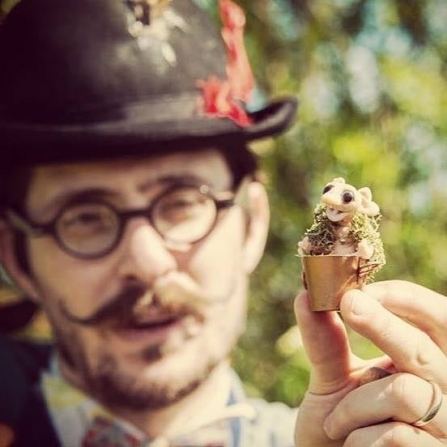

Archive image of Pennington Flash (c) Wigan Archives
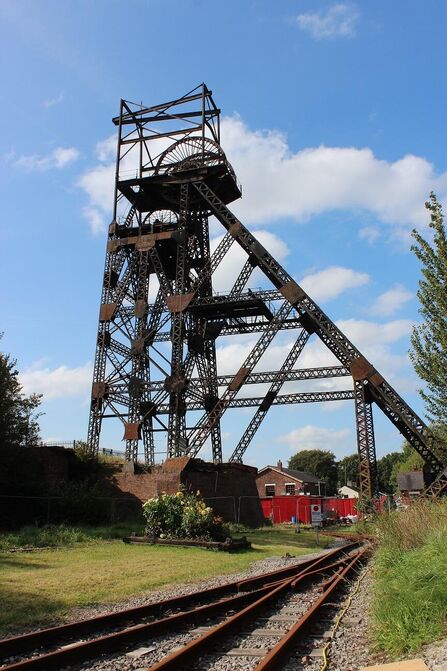
Lancashire Mining Museum (c) Becky Royce
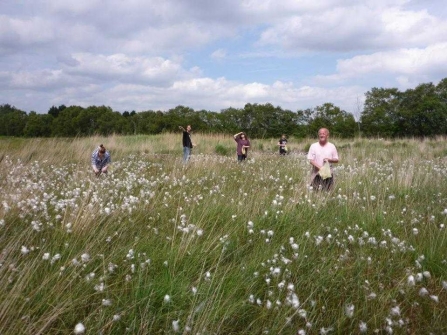
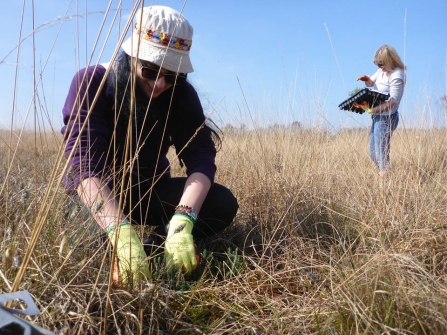
Cottongrass seeding to restore Chat Moss
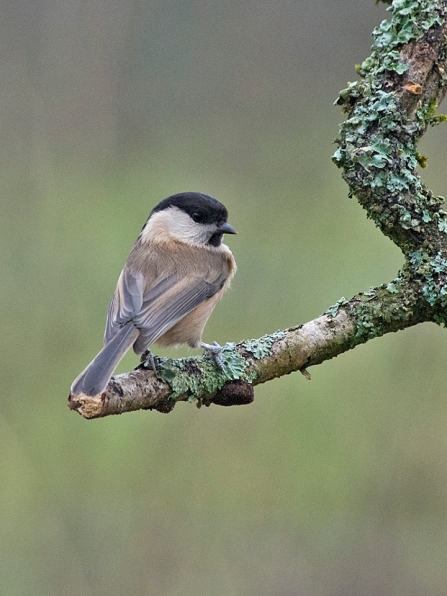
Willow tit

Light Night at Pennington Flash (c) Luke Jerram
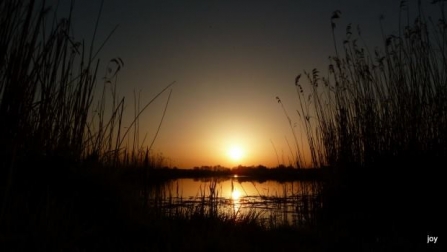
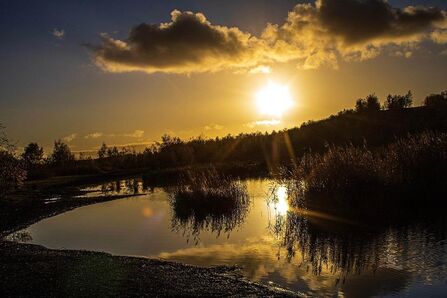
Sunset over Bickershaw (c) Becky Royce
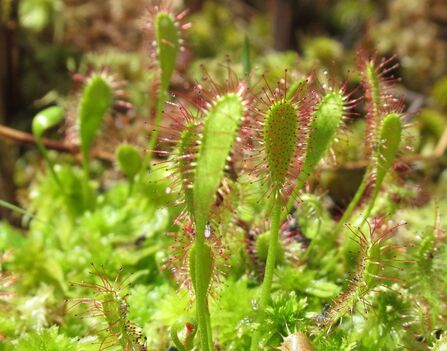
Great sundew (c) Josh Styles