Latest wildlife sightings - March 2026

Latest wildlife sightings - March 2026

Pheasant at Lunt Meadows Credit Wild Side Photography

The magic of March has brought wildlife out in abundance on our reserves across Lancashire, Manchester and North Merseyside. Enjoy the latest nature moments from this month, shared with us by our visitors.
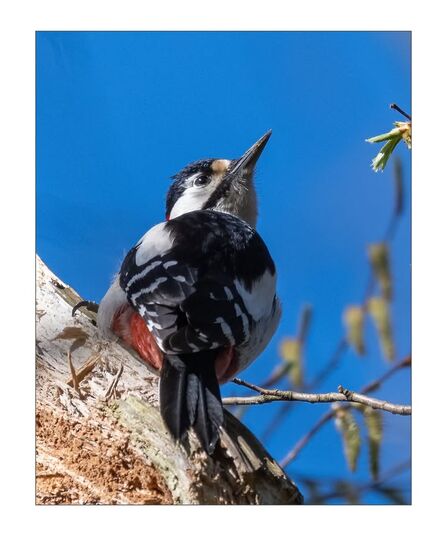
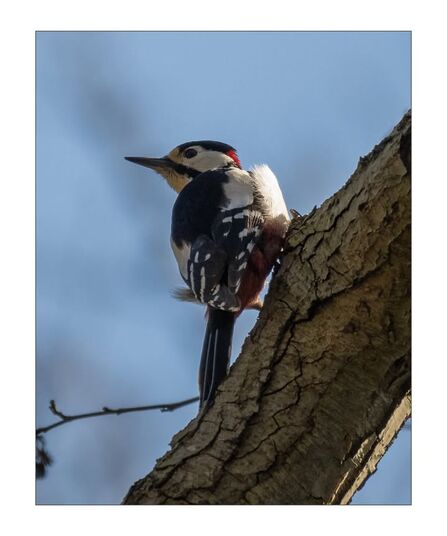
Great spotted woodpecker on a branch at Brockholes Credit Steve Brayne Photography

Great spotted woodpecker on a branch at Brockholes Credit Steve Brayne Photography 

Brockholes

Great spotted woodpecker

A wonder of woodlands, the great spotted woodpecker is a treat to see! Steve Brayne saw this woodpecker on a bright day in Boilton Woods at Brockholes this month.

Woodpeckers make a 'drumming' sound which is a form of communication and is mostly used to mark territories and in breeding displays in spring.

It has a distinctive, bouncing flight, and is usually heard, rather than seen, Great spotted woodpeckers eat insects and larvae, probing tree trunks with their sticky tongues to extract them from their nests.
Stonechat at Lunt Meadows Credit Wild Side Photography

Stonechat at Lunt Meadows Credit Wild Side Photography 

Lunt Meadows


Stonechat

The plump stonechat is a little smaller in size than a robin. With its striking colours, stocky build and short tail, it is a distinctive little chat marked out by its loud, sharp call which sounds like two stones being hit together. 

Wild side photography took this photograph of a male stonechat sitting atop a low bush at Lunt Meadows, It can be seen on heathland and boggy habitats, where they seek out invertebrates, seeds and fruit to eat.

Pheasant at Lunt Meadows Credit Wild Side Photography

Pheasant at Lunt Meadows Credit Wild Side Photography

Pheasant

Pheasants are a beautiful gamebird which are a non-native, introduced species. Wild Side photography took this stunning photo of a pheasant at Lunt Meadows nature reserve. They managed to capture the pheasant's plumage as it takes off from the ground. Pheasants eat seeds, berries, leaves and insects; they roost in trees, and the female raise their young alone but form flocks in the winter.

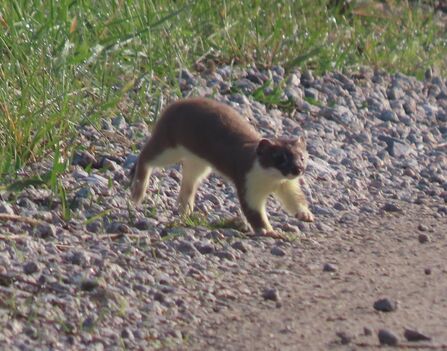
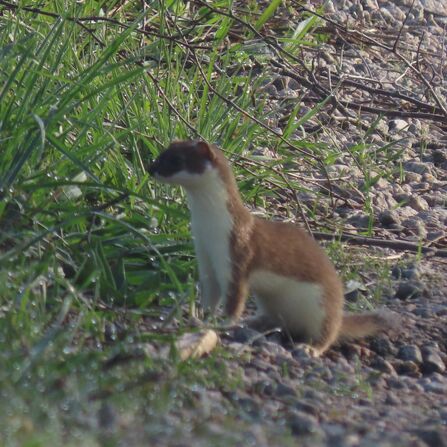
Stoat at Chat Moss Credit Kevin Irlam

Stoat at Chat Moss Credit Kevin Irlam

Chat Moss

Stoat

The stoat is a small mustelid, related to the weasel and otter. It has an orange body, black-tipped tail and distinctive bounding gait. They prefer grasslands, heaths and woodlands. Frequent visitor Kevin Irlam spotted this one bounding happily across our Chat Moss reserve this month. 

In the winter, stoats living in colder climes may turn almost completely white, with just a black tip to the tail. This is known as 'ermine' and the fur is extra dense to help them keep warm. Stoats in warmer parts of the UK may not change colour at all, or may take on a 'patchy' appearance.

A peacock butterfly resting with its wings out in the sun

Peacock butterfly at Middleton NR Credit Janet Packham

Middleton Nature Reserve

Peacock butterfly

The appearance of butterflies is one of the surest signs of the arrival of spring, so we were delighted when regular visitor and wildlife photographer Janet Packham shared this photo of a peacock butterfly sunning itself at Middleton nature reserve. The peacock butterfly is thankfully a familiar sight in the UK, distinguished by its markings which look like blue eyes, just like the patterning of a peacock's tail. The undersides of its wings are brown, providing it with excellent camouflage into leaves and foliage when it snaps its wings shut.

Comma butterfly at Middleton Credit Janet Packham

Comma butterfly at Middleton Credit Janet Packham

Comma butterfly

Comma butterflies are so-called because of the comma-shaped white spots on the underneath of its wings. They are on the wing throughout the year, having several broods and overwintering as an adult. They also wear a clever cloak of disguise - they have brown and white flecks that make them look like bird-droppings on a dead leaf. Janet Packham shared a photo of this one taking a rest at Middleton nature reserve on her visit this March.
The caterpillars of this beautiful butterfly feed on common nettles, elms and willows.

Siskin at Heysham Credit Janet Packham

Siskin at Heysham Credit Janet Packham

Heysham nature reserve

Siskin
 

The siskin is a small, streaky green finch, with yellow bars on black wings. The male has a bright yellow chest and face, with a black chin and black cap. The female is grey-green and lacks the black cap. Janet Packham saw this handsome bird on her visit to Heysham nature reserve. 

The best way of attracting siskins into your garden is with nyger seed in a special feeder. The female siskin builds a nest high up in a conifer tree, using twigs, lichen and feathers. She incubates the eggs alone but both parents feed the chicks.

Have you seen some wonderful wildlife at one of reserves recently? Share with us on Facebook or Instagram

Don't have social media? You can send your snaps to us via this form

Alternatively, you could enter our monthly photography competition!