Silent Right to Roam

Silent Right to Roam

Darwen Tower - Joanne Edwards

The Silent Right to Roam project in Darwen, is a celebration and exploration of the working-class heritage of the Jubilee Tower on Darwen Moor, connecting people who may not already have an attachment to the moors through storytelling and creativity.

A Silent Right to Roam is a project delivered by The Wildlife Trust for Lancashire, Manchester and North Merseyside and funded through Historic England. Led by Community Engagement Officer Andy Mather, the project highlights how Darwen Moors served as place of solace and protest, connecting with local, often overlooked, communities. The project honours the 1898 battle by local workers for public access to the moors.

Over 50 years before the famous Kinder Trespass of Derbyshire in 1932, Darwen witnessed its own, often forgotten, struggle for public access to open moorland. The Silent Right to Roam provides a walking trail map from the Darwen town centre to Darwen Tower, celebrates this story.

Silent right to roam poster

The history of Darwen Tower and the mass trespass

For many local people working long hours in the mills, access to the countryside was vital - offering fresh air, space and escape from the harsh conditions of industrial life. 

By the 1870’s, many of the old footpaths over Darwen Moor had become neglected with the closure of moorland coal mines. Some of these paths had even been blocked off by new fences as the absentee landlord, Revd. William Arthur Duckworth, began to manage the moor for lucrative game shooting. 

In 1877 and 1878, a small group of men attempted to exercise their public right to walk the footpaths across the moor, led by John Oldman. After walking on the moor on a Sunday at the end of July 1878, High Court writs were issued to five Darwen men: John Oldman, Richard Ainsworth, James Fish, Ellis Gibson and Joseph Kay. 

The writs were served on the men at their places of work and were answerable the next day at the High Court of Justice in London. Evidence was collected and sworn statements were signed, with important information coming from William Thomas Ashton, a retired coal mine employee who had an extensive knowledge of the public rights of way across the moors. It was a race against time - John Oldman, carrying the sworn statements, pawned his watch to raise the train fare to London, and he had to walk from Darwen to Bolton to catch the early mail train to the capital. 

The High Court judge decided that the men had not infringed on the ‘sporting rights’ of the landowner and subsequently an amicable agreement was sought between Darwen Corporation and the Revd. Duckworth over public access to the moor. 

Initially 55 acres of the moor were provided for free public access and lengthy negotiations continued until 1896, when a further 225 acres of the moor were vested in the Corporation for free access to the public. 

In September 1896 a big procession was held on the moor to celebrate the victory of the ‘Freedom of the Moors’. This was largely due to the efforts of W. T. Ashton's three sons and their solicitor, Fred Hindle.

Inspired by Darwen Moor

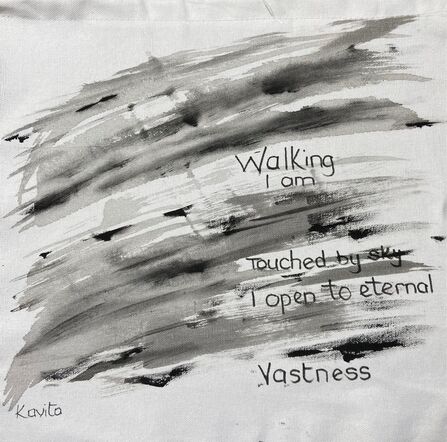
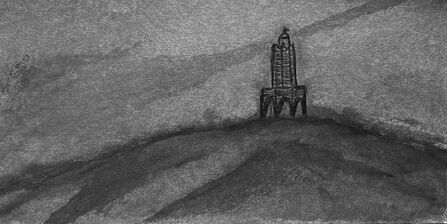
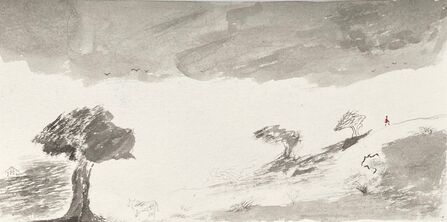
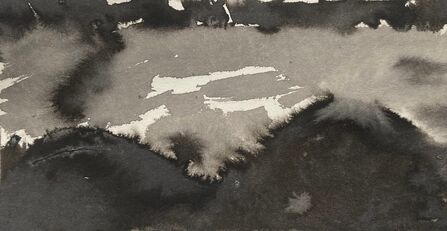
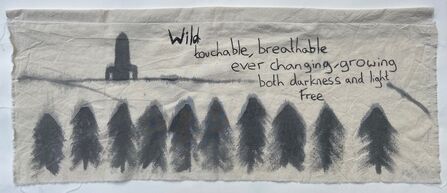
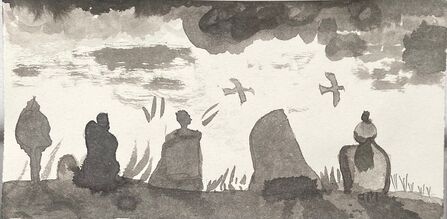
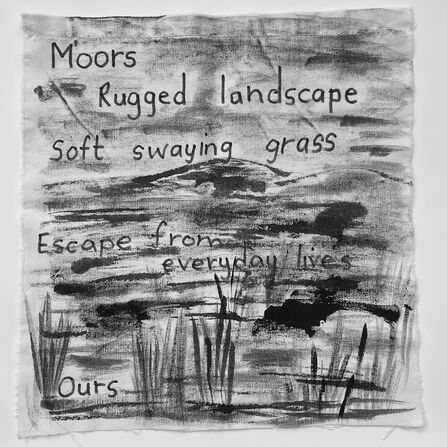
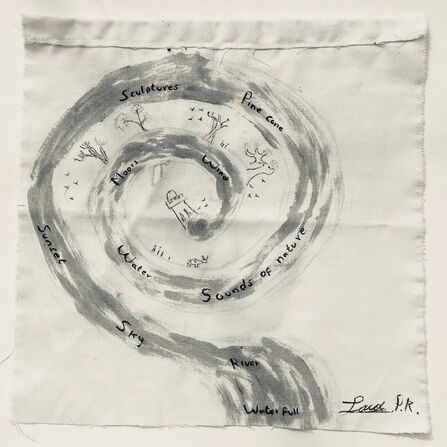
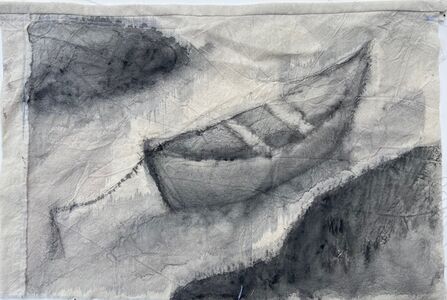
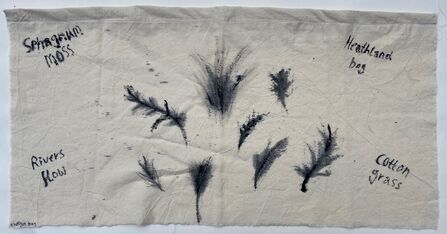
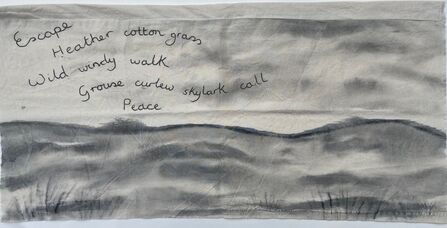
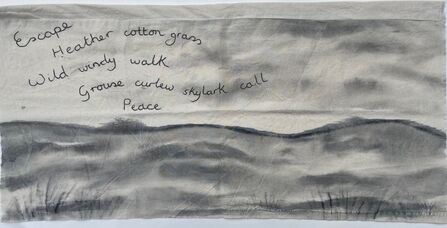
As part of the Silent Right to Roam project, local artists and musicians have come together to celebrate the long and wonderful history of Darwen Moor.

Marjan Wouda - local artist

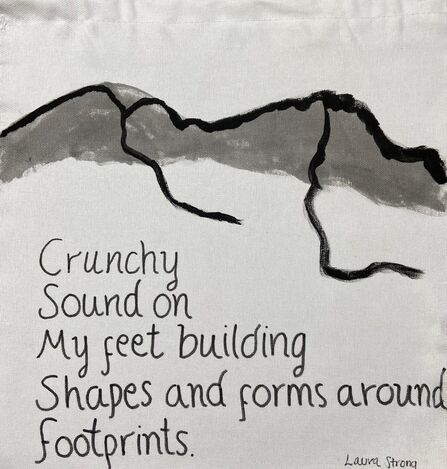
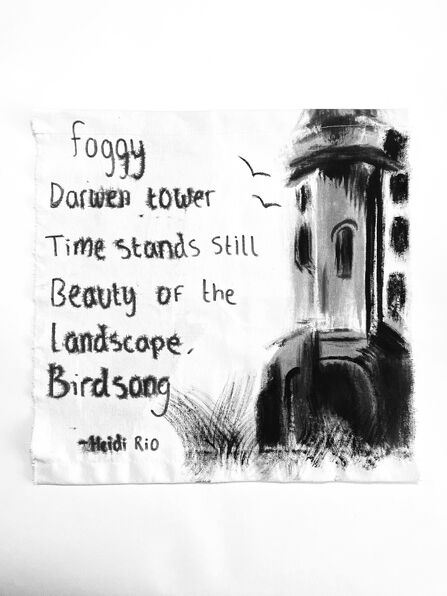
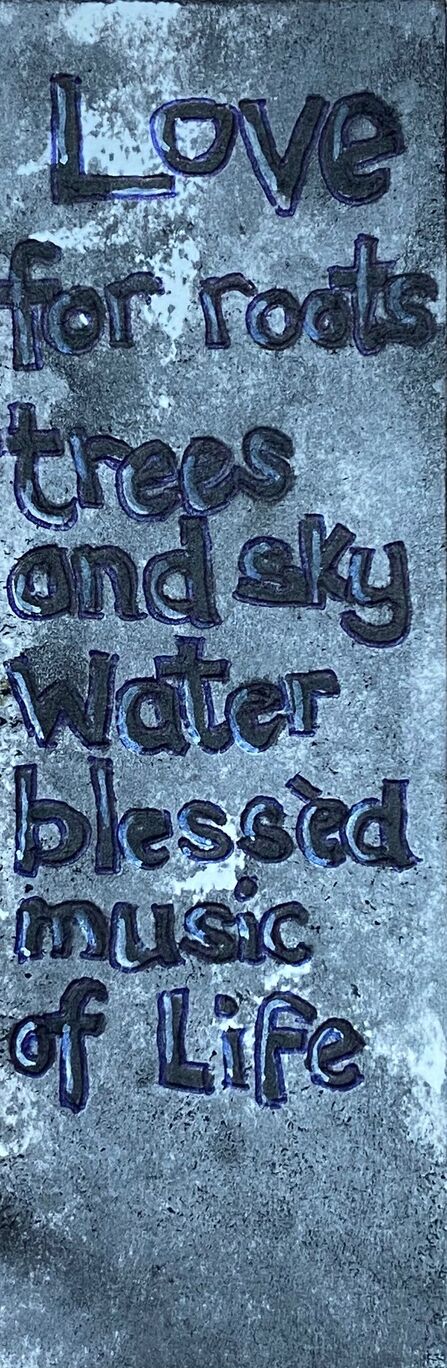
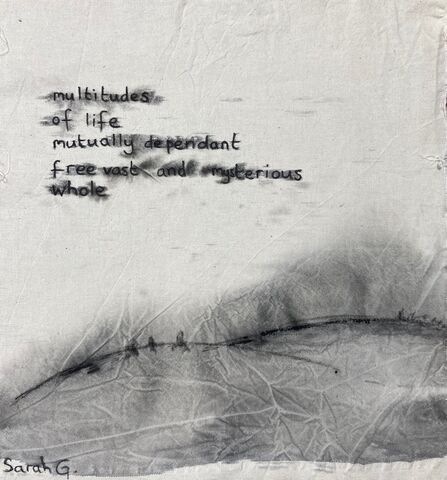
"My role in the Silent Right to Roam project was to find ways of using visual art to engage various adult groups in exploring their relationship to Darwen Moor and - in a wider sense - in sharing memories of landscapes that hold meaning." https://www.marjanwouda.com/

Local musicians inspired by Darwen Moor

Across April and May 2026, Moor Fest will be a celebration through art, poetry and music of the winning of the right to roam on Darwen Moor. Check out some of the musicians that will be taking part.

Find out more about Moor Fest and book your tickets