How your £1 last Christmas helped wildlife at Brockholes

How your £1 last Christmas helped wildlife at Brockholes

Barn owl at Brockholes. Credit Craig Smith

Last Christmas, your donations helped our teams care for nature reserves across our region. At Brockholes, a new gull colony, more successful common tern nests and nine young barn owls offer a glimpse of what that support helped make possible.

Last Christmas, we asked you to give £1 to support our nature reserves. Your donations helped provide the tools, equipment and materials our teams need for the winter jobs that prepare the reserves for the year ahead.

At Brockholes, the team’s winter work includes:

  • Planting trees and hedgerow
  • Maintaining reedbeds for birds such as bitterns.
  • Preparing the lake islands for nesting waders ahead of the breading season.
  • Checking and repairing owl boxes and tern rafts
  • Refilling and disinfecting bird feeders.
  • Tackling invasive plant species to protect native flora for wildlife

Here’s what the Brockholes team recorded in the months that followed.

More than twice as many common tern nests raised chicks

A common tern chick opening its mouth for food while an egg lies unhatched behind it

Common tern chick at Seaforth nature reserve

In 2026, the team recorded 12 successful common tern nests at Brockholes, more than double the number in 2025. Each successful nest produced an average of around 2.2 chicks.

With help from Louise at WWT Martin Mere, the team ringed most of the chicks, fitting some with colour rings. If someone spots one of those rings and reports it, the team can identify the bird and build up a picture of where it goes after leaving Brockholes.

Black-headed gulls establish their first breeding colony at Brockholes

Black-headed gull  by Dave Steel

Black-headed gull  by Dave Steel

For the first time at Brockholes, black-headed gulls nested as a colony on the island in No. 1 Pit. The team estimates there were around 20 nests and plans to carry out more detailed counts in future seasons. Lancashire’s Local Nature Recovery Strategy had already identified Brockholes as a potential nesting site for the species.

The team also watched what happened around the colony. A buzzard was seen taking prey there, while the team recorded no fox predation. That’s an encouraging sign for the floating rope in place to help keep foxes off the island.

Nine barn owl chicks grow close to leaving the nest

Four barn owls huddled in a barn owl nest on a tree

Russell Savory

The team ringed nine barn owl chicks at Brockholes this year. By the time they were ringed, all nine had grown large enough that the team expected them to fledge, or leave the nest. Ringing gives each chick an individual record, so any future sightings can be linked back to where it was raised.

Young lapwings spotted after fledging on the lake islands

Lapwing chicks by Dave Steel

Lapwing chicks by Dave Steel

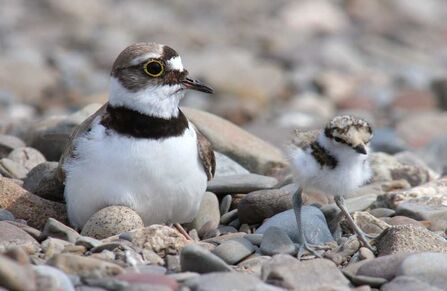
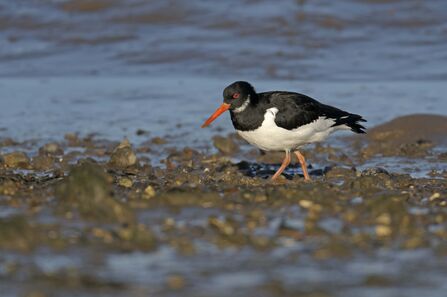
The team saw many young lapwings on the lake islands after they’d fledged. The islands are hard to see clearly from the shore, so the team couldn’t get a reliable count or confirm whether little ringed plovers, oystercatchers, common sandpipers or redshanks had fledged young there.

A drone fitted with a thermal camera could give the team a better view in future seasons. That would help them build a fuller picture of how many young birds the islands are supporting.

Bittern and willow tit recorded during the breeding season

Bittern at Brockholes by Jamie Hall

Bittern at Brockholes by Jamie Hall

Both bittern and willow tit were recorded at Brockholes during the breeding season. Those records give the team two species to watch for during future surveys. Over time, further sightings could help the team find out whether either species is settling in and breeding at the reserve.

New sightings bring the dragonfly and damselfly tally to 24

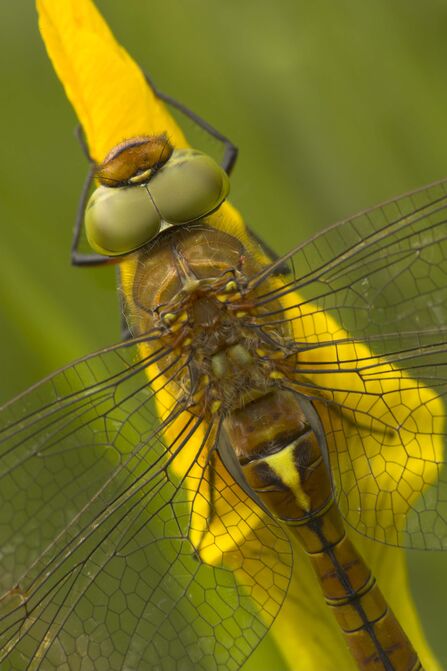
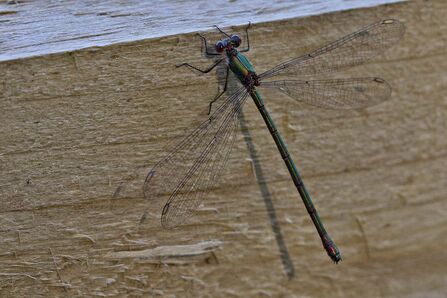
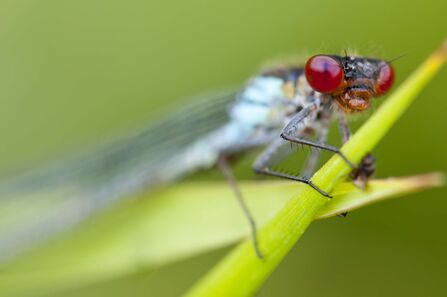
This year also brought new discoveries among the reserve’s insects. Norfolk hawker, willow emerald damselfly and small red-eyed damselfly were among the latest additions, bringing the total number of dragonfly and damselfly species ever recorded at Brockholes to 24.

Thank you for supporting our nature reserves

These are just a few examples of what your donations last winter helped make possible at our nature reserves this year. At Brockholes, the team can now take what it learned this year into the next breeding season, with plans to count the gull nests more closely and the chance to hear where some of this year’s ringed chicks turn up.

If you gave to last Christmas’s £1 appeal, thank you for being part of that work.