Young conservation champions leave lasting red squirrel legacy at the AIG Women’s Open

Young conservation champions leave lasting red squirrel legacy at the AIG Women’s Open

Peter Cairns/2020VISION

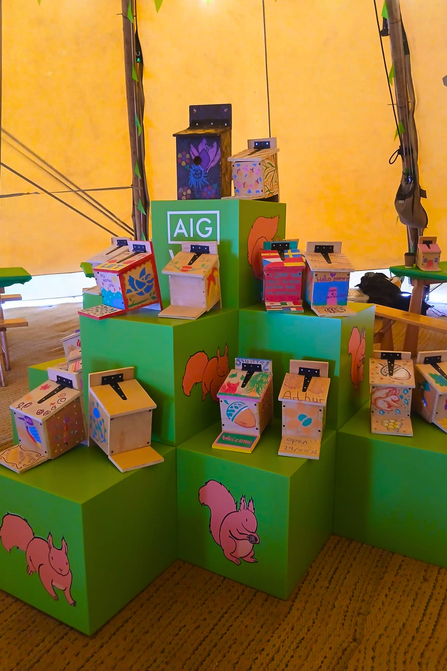
As the AIG Women’s Open celebrates the very best in golf, young visitors to the championship will be creating a different type of legacy, becoming conservation champions for Merseyside and Lancashire’s red squirrels.
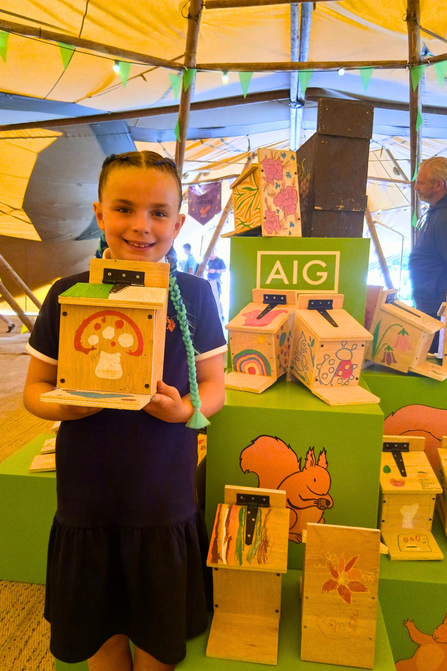
A specialised red squirrel feeder with a painted squirrel

Lancashire Wildlife Trust

At Royal Lytham & St Annes Golf Club this week, children will be invited to decorate specially designed squirrel monitoring feeders as part of Lancashire Wildlife Trust’s Red Squirrel Project, delivered in partnership with the Red Squirrel Recovery Network

Whilst the activity offers a fun and creative way to connect with nature, these colourful creations will go on to play an important role in red squirrel conservation long after the championship trophy has been awarded.

The AIG Women's Open is one of the world's leading sporting events and the final major championship in women's golf. Alongside world-class competition featuring the game's best players, the championship is committed to creating a positive legacy for host communities through initiatives that inspire more people to engage with golf, nature and the environment.

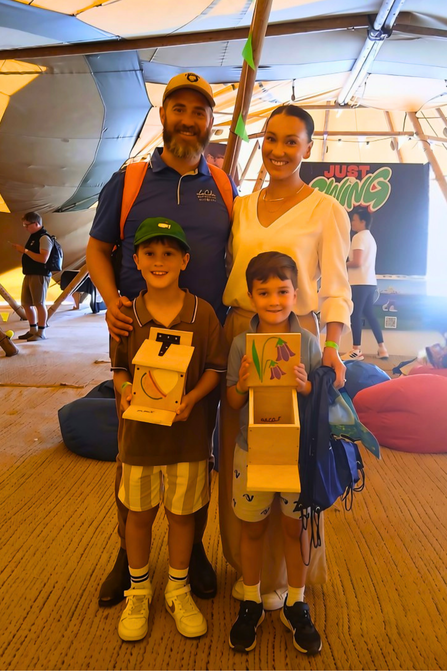
Young boys pose with specialised red squirrel feeders

Lancashire Wildlife Trust

The AIG Women's Open provides a unique opportunity to showcase the special relationship between golf and nature to a global audience. We want fans to leave with great memories of the championship, but also with a greater appreciation of the wildlife that thrives on golf courses and the important role they can play in supporting biodiversity.
Our 'Giving Nature a Home' activation allows young people to become part of a genuine conservation project, creating something that will continue to support red squirrel monitoring long after the final putt has been holed. It's a fantastic example of how the championship can make a positive impact beyond in the community.
Daniel Lightfoot
Director of Sustainable Golf, The R&A
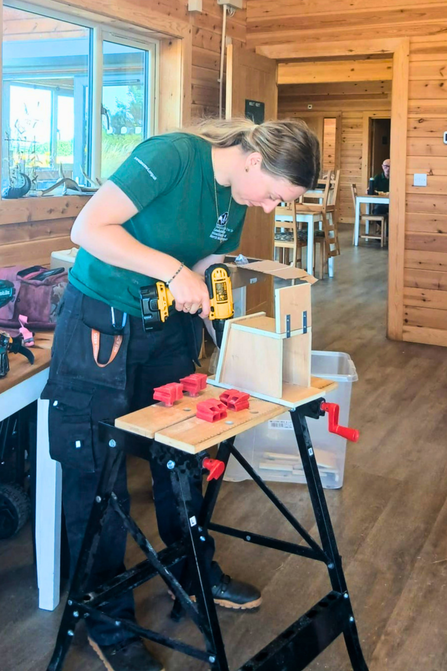
The Red Squirrel team building specialised feeders

Lancashire Wildlife Trust

Thanks to funding from the AIG Women's Open, the feeders will become part of a carefully managed monitoring programme led by the Lancashire Wildlife Trust and Merseyside Environmental Advisory Service. They will be deployed for short periods at Local Wildlife Sites where red squirrels were historically present and there is a very low likelihood of red and grey squirrels coming into contact, helping conservationists monitor for signs of red squirrels returning to former strongholds.

Working with the AIG Women’s Open to create these feeders will allow us to monitor local wildlife sites that are outside the stronghold but have historically had a population of red squirrels, which we wouldn't be able to do without their support. It’s a great way for us to engage with larger groups of people and inspire children to get involved in conservation in a creative way.”
Melissa Wharram
Red Squirrel Officer, Lancashire Wildlife Trust

Hidden beneath the lid of each feeder are small strips of sticky tabs that gently collect hairs from visiting squirrels. These hairs can then be examined under a microscope, allowing conservationists to identify whether they belong to a red or grey squirrel without disturbing the animal.

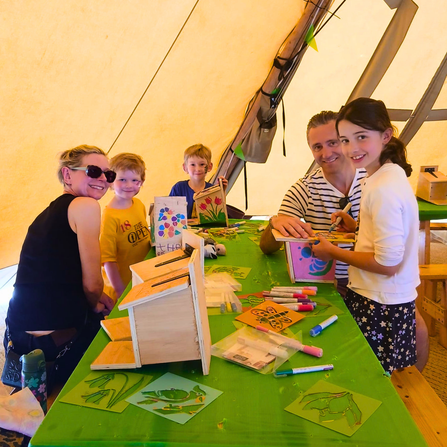
Young people posing with red squirrel feeders

Lancashire Wildlife Trust

Each feeder will then be removed, thoroughly disinfected, and moved to another location, enabling valuable data to be gathered across the region while minimising any risk of disease transmission.

The information collected will help build a clearer picture of where red squirrels are holding on, where populations may be recovering and where future conservation efforts could have the greatest impact.

For the young people taking part, it's a unique opportunity to know that their artwork won't simply be put on display but will become a working conservation tool helping to secure a future for one of Britain’s most cherished native mammals.

Lancashire Wildlife Trust continues to advise the public not to use squirrel feeders in their gardens, as squirrel pox remains a significant threat to red squirrels. The monitoring feeders referenced here are specialist conservation tools used by trained professionals under controlled conditions. They are deployed in carefully selected locations where the risk of interaction between red and grey squirrels is minimal, helping to prevent disease transmission while supporting vital monitoring work.

A red squirrel in a tree

Get involved

From supporting at events to monitoring populations, there's ways everyone can get involved in red squirrel volunteering

Find out more