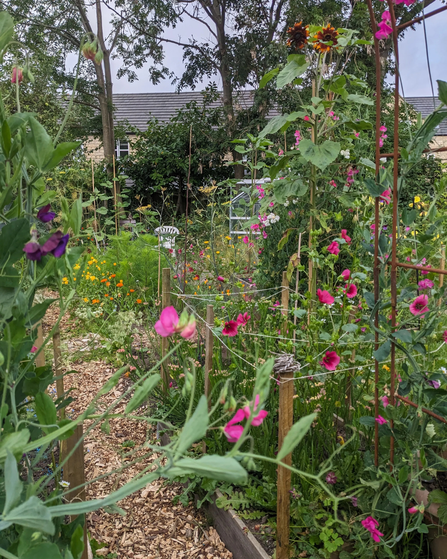
Supporter Story - Together you've taken more than 50,000 actions for wildlife

Supporter Story - Together you've taken more than 50,000 actions for wildlife

Since spring 2023, supporters have recorded more than 50,000 actions to help wildlife thrive in gardens, yards and balconies across our region.

Your gardens are making a difference

A gap beneath a fence. A dish of fresh water. Seed heads left standing through winter. On their own, these actions can seem small but together, they are creating something remarkable.

Since our My Wild Garden survey launched in spring 2023, supporters across Lancashire, Manchester and North Merseyside have been telling us about the ways they welcome wildlife into their gardens, yards and balconies.

As of 11 August 2026, you had recorded an incredible 50,413 wildlife-friendly actions.

What actions are you taking in your garden?

Each one can provide something wildlife needs, whether that’s food for a hungry pollinator, water for a visiting hedgehog or a safe place for an insect to shelter. Together, they are helping to turn our neighbourhoods into a growing network of spaces where wildlife can feed, rest, breed and move more freely.

Thank you to everyone who has shared their garden with us so far. Let’s take a closer look at what you have achieved.
A feast through the seasons

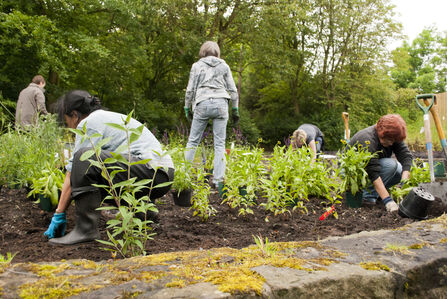
From the first spring flowers to the last blooms of autumn, your gardens are providing vital food for wildlife throughout the year.

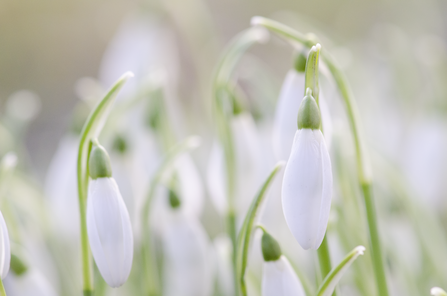
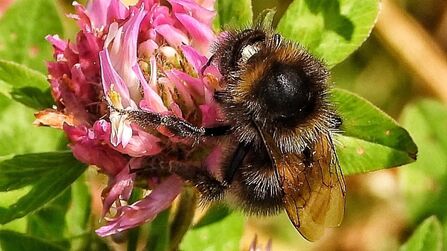
An incredible 1,981 of you grow early spring flowers, offering a much needed source of nectar and pollen when hungry bees and other insects begin to emerge. Later in the year, 1,609 gardens have late-autumn flowers, helping pollinators for longer as natural food becomes harder to find.

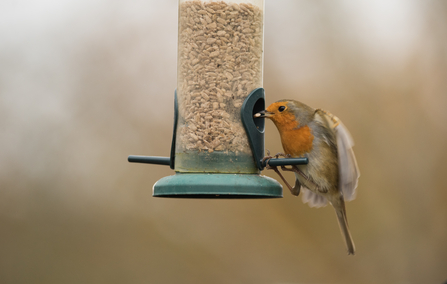
You’re creating an abundance of food in between, too. Supporters have recorded 1,884 gardens with nectar-rich flowers, 1,802 with berry-bearing plants and shrubs, and 1,726 with patches of naturally growing wildflowers. Together with 1,947 bird feeders, these spaces are helping wildlife find food across every season.

Want to offer even more food for visiting insects? Discover the best plants for bees and pollinators and find inspiration for your own garden.

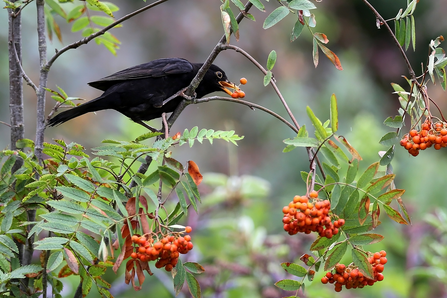
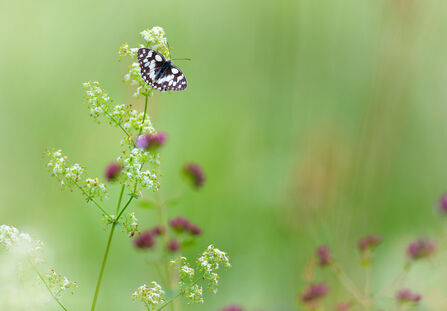
That could mean a bee visiting a dandelion, a butterfly pausing at a lavender flower or a blackbird feasting on berries. Every plant and feeder adds another opportunity for wildlife to thrive.

How well do you know the wildflowers growing across our region? Put your knowledge to the test.

Take the wildflower quiz

I always buy plants that are beneficial to wildlife, including verbena and butterfly bush.
Laura-Kate, My Wild Garden supporter

Safe places to shelter

A wildlife-friendly garden doesn’t need to be perfectly tidy. In fact, some of its quietest and most natural corners can become the best places for wildlife to shelter, nest and spend the winter.

Supporters have recorded 1,781 gardens with climbing plants growing along walls or trellises, offering cover as well as places for insects and birds to feed. Another 1,698 have dead wood, log piles or tree stumps, creating valuable habitat for beetles, fungi and countless other small creatures.

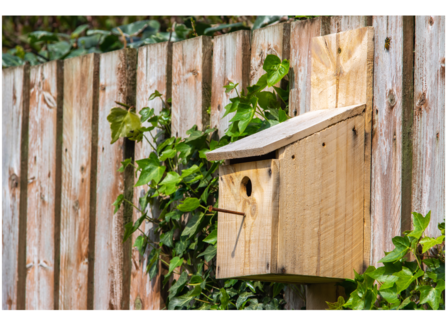
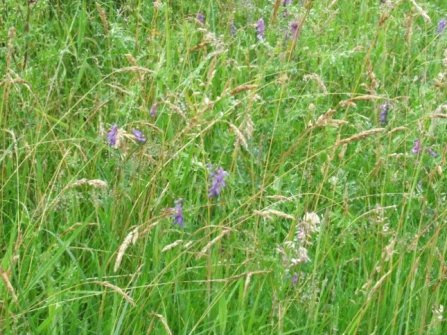
Mature trees are providing shelter in 1,650 gardens, while 1,441 have nesting boxes for birds or bats. Patches of long grass, found in 1,319 gardens, can also give insects and other wildlife somewhere to hide, feed and breed.

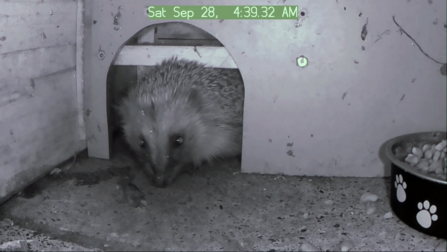
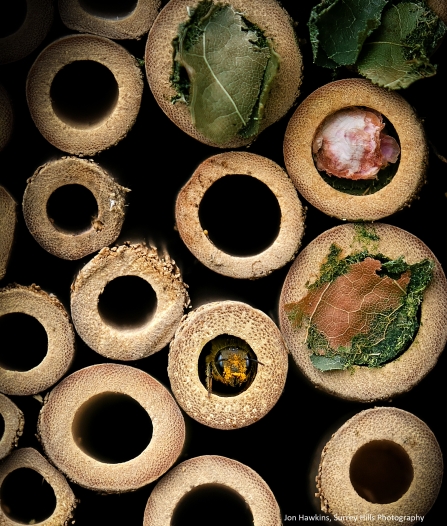
You’ve been creating purpose built homes, too, including 1,270 insect or bug hotels, 890 hedgehog houses and 820 homes for solitary bees. From a pile of logs in a quiet corner to a carefully positioned nest box, every shelter helps make space for wildlife.

Would you like to create another safe nesting place? Follow our guide to making a bee hotel for solitary bees.

I’ve spotted insects making burrows in my logs, they’re often too quick to film!
Dawn, My Wild Garden supporter

Water brings a garden to life

Water is one of the most valuable things we can provide for wildlife and it doesn’t require a large garden or a traditional pond.

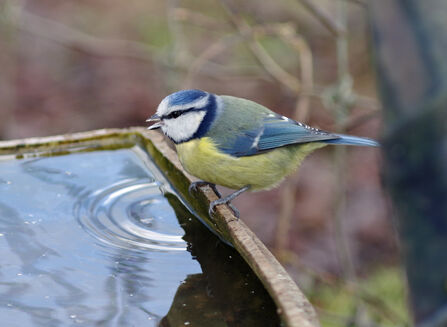
Supporters have recorded 1,657 gardens with shallow dishes or ground-level water sources, giving insects, hedgehogs and other visitors somewhere to drink. Another 1,557 have bird baths, providing birds with a place to drink, bathe and keep their feathers in good condition.

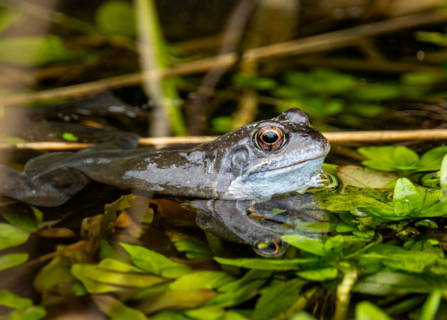
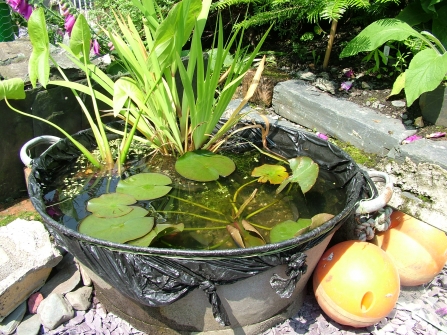
Almost 1,000 of you have created a fish-free wildlife pond, while 621 gardens have a bucket or container pond. Even a small container of water can attract an amazing variety of wildlife, from thirsty bees and bathing birds to frogs and darting dragonflies.

Feeling inspired? You don’t need lots of space to add water for wildlife. Follow our step-by-step guide to creating a mini pond using a watertight container, stones and a few pond plants.

You are also helping gardens cope with drier conditions. 813 gardens include drought-resistant plants, while water, boggy areas and carefully chosen planting can all help create more resilient spaces for wildlife.

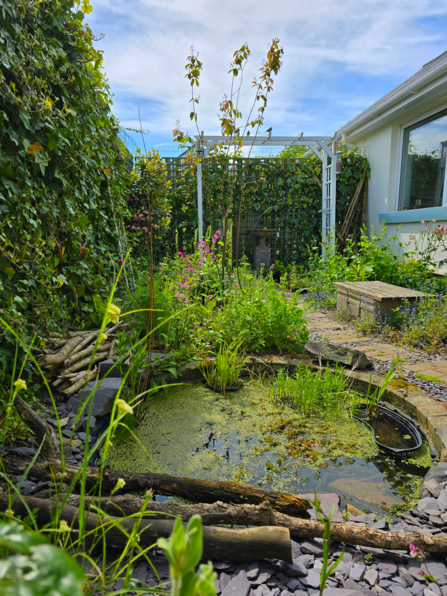
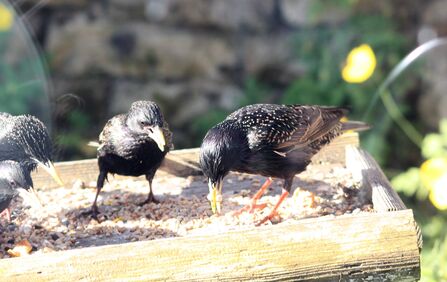
We created two wildlife ponds and hiding places for frogs. In just two years, we’ve welcomed frogs, dragonflies, damselflies and water boatmen and gone from no birds to families of starlings, blackbirds, sparrows, coal tits and blue tits.
Susan, My Wild Garden supporter

When wildlife-friendly actions come together

smooth newt

One supporter, Craig, told us how he has transformed a once-bare plot into dense, mixed berry shrubbery with two ponds, including one created especially for wildlife.

These different features provide a combination of food, water and shelter and Craig has recorded an extraordinary variety of visitors. These include 35 species of bird, 130 species of moth, 70 species of insect and 20 species of butterfly, alongside hedgehogs, bats, a mouse and a newt.

Craig’s experience offers a wonderful example of what can happen when different wildlife-friendly actions come together in one space.

Letting gardens grow a little wilder

How we care for our gardens can be just as important as what we put in them. Sometimes, helping wildlife means doing a little less and allowing nature to take the lead.

In 1,810 gardens, seed heads and stems are left standing over winter. These provide food for birds, shelter for insects and plenty of interest during the colder months. Almost as many of you 1,792 avoid pesticides, herbicides, fungicides and slug pellets, helping to protect the insects and other wildlife that form part of a healthy garden ecosystem.

If you’d like to follow their lead, explore our advice on chemical-free organic gardening and discover wildlife-friendly ways to care for your plants.

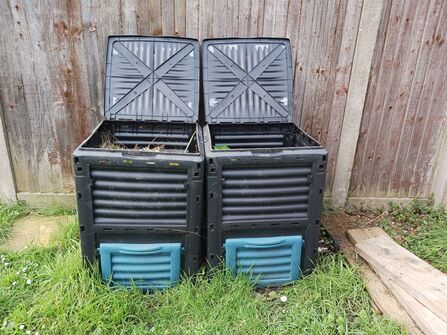
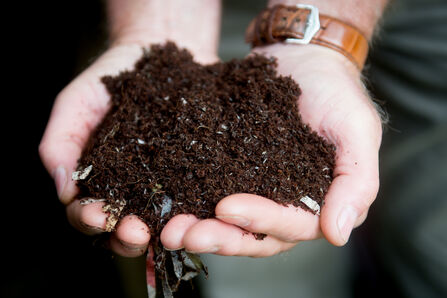
Supporters have also recorded 1,620 gardens using peat-free compost, helping to protect precious peatland habitats beyond the garden fence. Meanwhile, 1,369 have a compost area or bin, 1,325 collect rainwater in a water butt, and 1,251 leave a pile of fallen leaves in a quiet corner.

Thinking of joining them? Discover how to compost your garden and kitchen waste, while creating a valuable habitat for minibeasts.

These thoughtful choices show that wildlife-friendly gardening isn’t always about adding something new. Leaving stems standing, saving water or making space for fallen leaves can be every bit as valuable.

I’ve left the lawn and seed heads to grow, and taken up the slabs and concrete and replaced them with plants.
Carol, My Wild Garden supporter

Connecting the pieces

A garden can provide everything wildlife needs but its impact becomes even greater when it connects with the spaces around it.

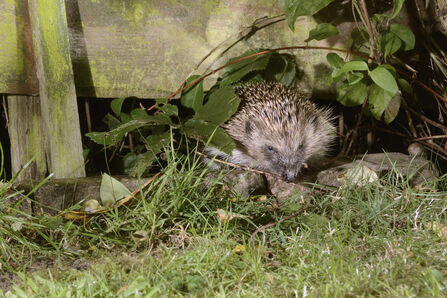
An incredible 1,703 gardens have gaps in fences for hedgehogs and other wildlife. These small openings can make a huge difference, allowing animals to move safely between gardens in search of food, shelter and mates.

Want to connect your garden with the spaces around it? Follow our guide to creating a hedgehog hole with the cooperation of your neighbours.

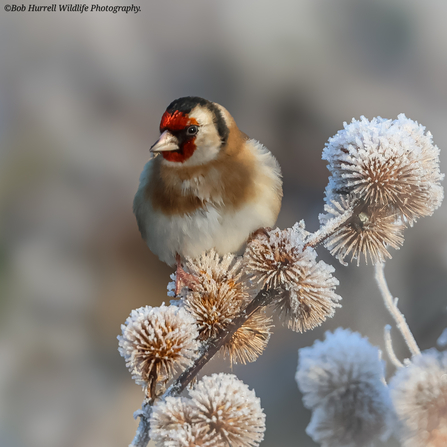
Emily’s garden is one example of this connection in action. Hedgehogs can enter from an adjoining nature trail, while feeders and a young maple tree provide food and cover for visiting birds. She has welcomed woodpeckers, linnets and goldfinches, as well as bats each night and the occasional heron visiting the nearby marshland.

Elsewhere, 1,322 gardens have rows of trees or shrubs, 912 have mixed native hedges along their boundaries, and 788 include long strips of grass. Together, these features can create valuable routes and stepping stones through our neighbourhoods.

You are connecting people as well as habitats. More than 1,100 supporters have told at least five other people about what they do for wildlife, while 478 are working with a next-door neighbour and 206 are part of a local wildlife gardening group.

The Lawton principles that help guide our conservation work call for spaces for nature that are bigger, better, more and joined up. While our gardens may be individually small, improving them and connecting them with neighbouring spaces can help create a much larger network for wildlife.

Every gap in a fence, shared cutting and conversation with a neighbour helps connect another piece of the picture.

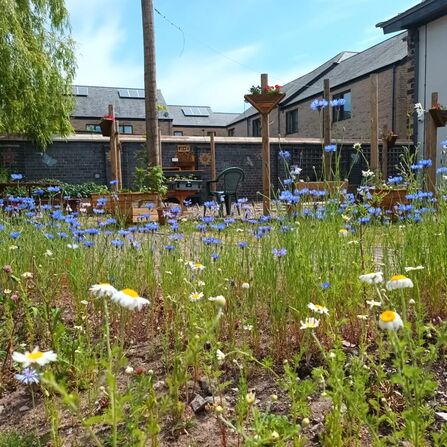
I’ve planted native hedging and replaced the lawn with native meadow plants. Since then, I’ve seen more insects, birds, bees, butterflies and moths.
Linda, My Wild Garden supporter
Garden tiger by Denis Jackson

Garden tiger by Denis Jackson

Is your garden part of the picture?

50,413 actions and counting

From window boxes and balconies to back yards and gardens, supporters across our region are creating places where wildlife can feed, drink, shelter and move more freely.

Perhaps you grow nectar-rich flowers, leave seed heads standing through winter or provide a dish of fresh water. Whatever you’re doing, we’d love to hear about it.

Tell us about your wild garden, add your actions to our growing total and help inspire even more people to make space for wildlife.

Tell us about your wild garden