

Wet Woodland Wildlife
Wet woodlands are a vital, but often overlooked, habitat that support a range of specialist wildlife. We are working to restore these special places for the species that rely on them and the amazing communities that surround them.
Characterised by boggy wet ground conditions and dense scrubby vegetation with trees such as willow and alder, wet woodlands (also known as willow woodlands) are a rare and often threatened habitat. Often overlooked as wastelands, many of our wet woodlands have been drained, 'tidied up' and converted to other land uses. But this comes at the detriment of the wildlife that calls them home and the people in the surrounding communities who are unable to engage with these special habitats on their doorsteps.
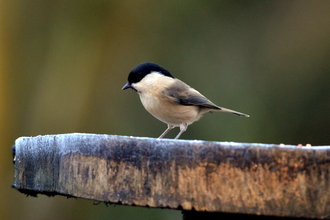
The willow tit is an iconic species of wet woodlands, it's presence indicating a healthy habitat. But as Britain's fastest-declining resident bird, we can see that both willow tits and their wet woodland homes are in trouble. The areas in and around Greater Manchester are a strong hold for willow tits, with estimates suggesting around 15 per cent of the UK population resident here.
By working with the local community to restore wet woodlands, we can improve both these habitats for wildlife, our environment and people's access to nature.
Restoring Willow Woodland Wildlife
Our Restoring Willow Woodland Wildlife project is working to improve the condition of wet woodland habitat, and people’s connection to it, across Greater Manchester and Warrington. A programme of volunteering, skills development, citizen science, and wellbeing opportunities structured around the restoration of these habitats is being undertaken, to support the rare and threatened wildlife that depends on these habitats, along with the communities that surround them.
People are at the centre of this project, with activities aimed at engaging communities in the wild and special places that are on their doorsteps, providing the skills, knowledge and confidence for people to value these habitats and engage in activities to support both habitat restoration and their own wellbeing.
How can you get involved?
We will be working with partners The Conservation Volunteers to provide lots of different ways that people can be part of this project, helping to shape the future of your local environment.
Check out our events section below, or our Volunteering page to find out more.
Find out more about volunteering
Conservation volunteering
Fancy getting hands-on with some practical conservation work? Whether it is removing invasive species, planting new native plants, creating willow tit nesting opportunities, or a myriad of other tasks, there is always a job to do to help make a difference on the ground in our precious wet woodlands.
Community events
Maybe you have never visited your local wet woodland, or hadn't realised what a special place was on your doorstep, or are keen to share your passion with others, our programme of community events will provide lots of opportunities for everyone in the community to come together and engage with your local habitats.
Citizen science
This might sound scary, but citizen science is simply ordinary people helping to provide scientific data. This could be as simple as counting bumblebees in your back garden, to surveying willow tits, or enjoying an evening moth-trapping. Without the data telling us what species are where we can't get an accurate picture of how a habitat or species is faring, which then informs our restoration plans going forwards. Find out more about citizen science in our video below.
Get involved
Details of our events and volunteering opportunities will be available here soon.
Find out more
Check out our latest news and find out more about the project below, and our full archive here.
Wet Willow Wildlife: End of project blog
Senior Project Officer, Fiona Sunners, sums up the achievements of the two-year Wet Willow Wildlife project – for both nature and people…
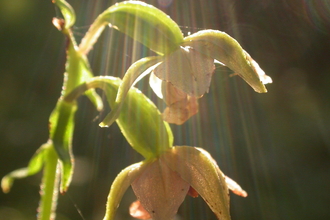
Discover helleborines this summer: Join our citizen science adventure
Looking for a fresh way to connect with nature this summer? Join our Helleborine Hunt and discover these stunning wild orchids in your…

Little hands, big impact: Inspiring young minds whilst building a bug hotel in Bolton
Our Wet Willow Wildlife project has been out and about helping local primary school children to start a lifelong love of nature.


More than just willow tits...
Whilst willow tits are undeniably charming and indicator species of a healthy wet woodland, our work restoring these habitats and supporting people's connection to them is about more than just one little bird. There is a whole host of species who rely on wet woodlands.
Meet our Willow Woodland Wonders
But there is one species missing... you! The aim of this project is to engage local people with your amazing natural heritage, so please get involved (however it works for you) and find out how we can all benefit from caring for our precious wet woodlands.

Willow tit at Pennington Flash © Adam Jones
Willow tit
Britain's fastest declining resident bird, an estimated 15 per cent of breeding pairs of willow tits can be found in the areas in and around Greater Manchester. They make their nests in holes burrowed into standing deadwood in wet woodlands, inhabiting a niche overlooked by other bird species.

Lunar hornet moth © Koen Thonissen - Butterfly Conservation
Lunar hornet moth
Lunar hornet moths are masters of disguise, almost perfectly mimicking the appearance of a hornet. They are day-flying moths, best spotted on to trunk of willow trees, where the females lay their eggs. Once the caterpillars hatch, they burrow into the willow feeding on the wood for up to three years before pupating in a cocoon spun at the entrance to their burrows.

Grey willow - Brian Eversham
Willow
The iconic tree of a wet woodland, willow is amazingly important, second only to the oak in the number of other species it can support. When queen bumblebees first emerge one of the few nectar and pollen sources available to them comes from willow catkins.

Vaughn Matthews (please tag @vaughnmatthews8 if using on Instagram and @vaughnmatthews2 if using on Twitter)
Helleborine
This family of orchids are often found in woodland habitats and are another indicator species of a healthy environment. Flowering in July and August, these plants tend to hold their flowers on tall spikes. Species include marsh, broad-leaved, green-flowered and dune helleborine.

Restoring Willow Woodland Wildlife is made possible with The National Lottery Heritage Fund. Thanks to National Lottery players, we will be able to support both these important habitats and people’s connections to them.

Jessica Fung
Wet Willow Wildlife
Our current Restoring Willow Woodland Wildlife project builds on the legacy of our Wet Willow Wildlife project which ran until February 2026.
The Wet Willow Wildlife project worked with partners, The Conservations Volunteers, on 27 sites Trafford, Mersey Gateway, Salford, Wigan and Bolton, restoring wet woodland habitat for wildlife, engaging conservation volunteers, citizen scientists and the local community. By strategically creating and improving habitat pockets connected by linking habitats, connectivity was enhanced for wet willow species, allowing for greater movement and dispersal over a wide geographic area.
Check out some of the project achievements below.

The Wet Willow Wildife project was funded by the Government's Species Survival Fund. The fund was developed by Defra and its 'arm’s-length bodies'. It was delivered by The National Lottery Heritage Fund in partnership with Natural England and the Environment Agency.
