Hedgehog survey results 2026

Hedgehog survey results 2026

2026 hedgehog sightings - Stephen Webster

People from all over our region and beyond have been sharing their hedgehog sightings with us as part of our Hedgehog Hotspots survey, now in its eighth year. Join us as we take a closer look at the results.

It's time to dive into the data from this year's hedgehog sightings survey! A big thank you to everyone who took part this year.

Hedgehogs are undoubtedly one of the UK's most-loved species, even being selected via a recent public vote to feature on our new wildlife-themed bank notes in the near future.

However they still face many challenges including habitat loss and declines in their natural food sources, with their status remaining as Near Threatened on the IUCN's Red List. That's why building an understanding of how they are doing, and how we can help them, is so important.

This year's numbers at a glance


We received 1,500 responses this year, recording sightings of 2,322 hedgehogs in total.

This is a significant increase from the last few years. By comparison, in 2025 we received 757 sightings of 1,135 hedgehogs and in 2024 we received 740 sightings of 1,147 hedgehogs.

While we would love to be able to say that this increase in sightings points to an increase in actual hedgehog numbers, we don't have enough evidence to suggest this. It is more likely that this year's survey simply attracted more participants than previous years thanks to the enthusiasm of those taking part and their efforts to share it with others.

It's wonderful to see the level of public interest around using our gardens and green spaces to monitor and help wildlife, and we hope to see this interest continue growing in the future!

Look back at the last few years' results here: 2025 / 2024 / 2023 / 2022 / 2021

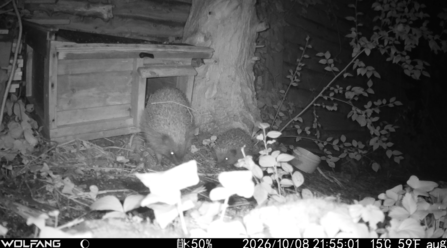
A large and a small hedgehog walk across a paved area of a garden, captured on a night vision camera

2026 hedgehog sightings - Garry Forshaw

How are hedgehogs faring this year?


955 sightings were of a single hedgehog, whereas 533 sightings were of multiple hedgehogs spotted together.

Some people were lucky enough to have several hedgehogs regularly visiting their gardens, with as many as 10, 11 and 14 reported!

40 sightings mentioned hedgehogs out during the day, with many of these people contacting their local rescues as a result. While pregnant or nesting mothers can sometimes forage in the daytime, it's often a sign that something is wrong if a hog is out in the daylight, especially if they look lethargic or weak. It's best to be safe and check if they need help.

36 sightings mentioned baby hedgehogs, with some people lucky enough to see mothers and babies feeding together. A lovely result of providing plenty of safe nesting spaces!

27 sightings were sadly of deceased hedgehogs, with 4 of these mentioning roadkill specifically. Roads remain a danger for hedgehogs, highlighting the importance of us connecting up our green spaces to help them move around safely.

13 sightings were of sick or injured hedgehogs, with many people taking steps to get help for them from their local vets or rescue centres.

8 people reported that they hadn't seen any hedgehogs this year; some who had previously seen them in the past and some who have never seen them in their local area.

Where were the most popular sighting locations?

Here is how your sightings broke down by county:

  • Lancashire: 762
  • Greater Manchester: 247
  • Merseyside: 235
  • Other: 256

We believe the reason we received so many sightings from outside of our region this year was due to the popularity of one or two specific posts on social media which were shared widely. 

Although we sadly won't be able to pass on any sightings from outside our region to the relevant counties' local record centres, it's very encouraging to see people's enthusiasm for helping hedgehogs all over the country. We are grateful to everyone who took part.

This year's sighting hotspots by town/city

Here were the most-mentioned towns and cities from this year's participants:

  • Preston: 197
  • Liverpool: 101
  • Chorley: 73
  • Southport: 69
  • Wigan: 67
  • Ormskirk: 67
  • Manchester: 65
  • Bolton: 65
  • Lancaster: 46
  • Leyland: 44

The top five locations last year were Preston, Liverpool, Lancaster, Manchester and Bolton. So the main hotspots have stayed fairly similar, with a slight re-shuffle of the order amongst the top 10.

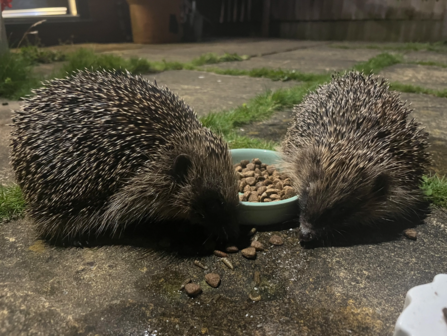
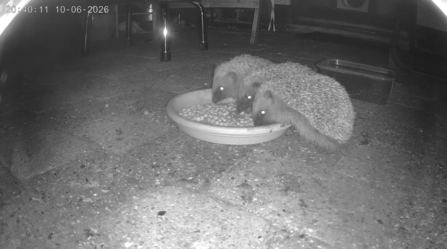
Three hedgehogs eating scattered biscuits in a garden at night

2026 hedgehog sightings - Samantha Murphy

What environments were hedgehogs spotted in?

669 sightings mentioned a garden or yard

76 sightings mentioned a road, street or alley

44 sightings mentioned a field or rural surroundings

23 sightings mentioned a park or allotment

19 sightings mentioned a drive or driveway

7 sightings mentioned woodland or woods

5 sightings mentioned hedgerow

This picture looks very similar to previous years, where most sightings came from gardens and their surrounding urban/suburban areas. We would naturally expect to see the most sightings from towns and cities where there are more people looking out for hedgehogs, so it doesn't fully reflect the actual distribution of hedgehogs in our region - but it does highlight how important our gardens are for wildlife.

Take a look at the interactive map below to dive into this year's results and see how many hedgehogs were spotted in your area!

Please enable javascript in your browser to see the map.

Layers

Show more layers
Show fewer layers

This year's good news

The most recent State of Britain's Hedgehogs report from 2022 suggested hedgehogs' numbers may be starting to show signs of recovery in urban environments after many decades of long decline. 

This is certainly backed up by the sheer number of people taking action to help hedgehogs in their gardens. It's clear that this is helping give the species a much-needed lifeline.

339 sightings mentioned food, with hundreds of you setting up dedicated feeding stations. This can be a real help for hedgehogs who need to build up their weight ready for hibernation at this time of year.

213 sightings mentioned water - another essential resource we can all provide for wildlife, no matter whether you have room for a pond or a shallow dish. Always keep water clean and topped up.

87 sightings mentioned hedgehog houses, giving hogs somewhere safe and sheltered to feed, sleep and nest.

74 sightings this year mentioned rescue centres. Some people took poorly hedgehogs to their local rescue, some people regularly volunteer, and others help foster or release hedgehogs in their garden after they have been rehabilitated. That's a lot of little lives saved!

32 people mentioned nests or nesting hedgehogs in their gardens. Having a hedgehog choose your garden as somewhere safe enough to give birth and nest is a high compliment! 

25 people mentioned hedgehog highways or holes/gaps cut into fences to help them move around more easily. This helps them save vital energy and means it's less likely they have to go near roads to get from space to space while foraging.

Why your sightings are so important

Your sightings will be shared with the relevant local wildlife record centre for your county. There are three in our region:

Local record centres will be able to use this data to help inform decision making, educate the community, carry out research and even inform local planning.

Every bit of citizen science contributes to a wider understanding of how wild species like hedgehogs are faring, where they are doing well and what challenges they are facing. So you've made a real difference by taking part.

Don't forget, you can share wildlife sightings with your local record centre all year round via the links above. You can also add your hedgehog sightings to the Big Hedgehog Map, run by Hedgehog Street, to help build a national picture of how they are doing.

More ways to help hedgehogs all year round

  • Think about creating safe, undisturbed spots like leaf piles or log piles, or make your own hedgehog house
  • If you come across one hibernating, don't disturb it.
  • Encourage their natural food sources to your garden (beetles, worms, caterpillars and other invertebrates) by going chemical-free
  • Provide fresh, clean water (especially in periods of drought or very cold weather) and supplementary food where appropriate
  • Let your garden grow wild! A patch of grass left to grow long or shrubby, less tended-to area makes a perfect foraging spot for hungry hogs looking for insects.
  • Always check for hedgehogs and other wildlife before strimming or mowing in your garden; they like a quiet, cosy spot.
  • Familiarise yourself with your local rescue centres and/or the details of the BHPS so you can seek help quickly if you do find a sick or injured hedgehog.

For lots more advice on how to turn your garden or yard into a hedgehog haven, download our free Help a Hog guide below.

Help a Hog guide

Hedgehog

John Hawkins - Surrey Hills Photography

Make a difference for hedgehogs

When you adopt a hedgehog, you're helping us protect and restore the habitats that hedgehogs need to survive, making a truly meaningful difference for the future of our local wildlife.

Adopt a hedgehog today

More helpful resources

Take a look at our blogs and guides below for more information about hedgehogs and ways to help them at home.