Latest Wildlife Sightings - October 2026

Latest Wildlife Sightings - October 2026

Great White Egret at Brockholes Credit Amanda Aiton

Autumn has graced our nature reserves across Lancashire, Greater Manchester and North Merseyside with its magic. From fantastic fungi to majestic birds, enjoy the latest selection of the many sightings our visitors and wildlife lovers have kindly shared with us from October,
Buzzard at Brockholes Credit Sarah Leigh

Buzzard at Brockholes Credit Sarah Leigh

Brockholes, Preston
 

Buzzard

Sarah-Leigh captured this incredible image of a buzzard at Brockholes on her visit. 

Until recently, the buzzard was only found in the north and west of the country due to severe population declines. Over the last couple of decades, however, it has been doing very well and can now be found almost everywhere in the UK. Listen out for its cat-like 'kee-yaaa' calls as it soars in high circles over grassland, farmland and woodlands. Buzzards eat small birds, mammals and carrion, but will also eat large insects and earthworms when prey is in short supply. Thanks to Sarah-Leigh for sharing this astounding photo.

Great White Egret at Brockholes 2026 Credit Amanda Aiton

Great White Egret at Brockholes 2026 Credit Amanda Aiton

Great white egret

This magnificent photo was shared by Amanda from her visit to Brockholes. It shows the full majesty of this beautiful bird - a perfectly time shot! 

The great white egret is almost as large as a grey heron, but with longer legs and a longer neck. It has a large, dagger-like bill that is yellow for most of the year, but becomes mostly black in breeding birds. The upper legs are yellowish, sometimes turning reddish in breeding birds, and the lower legs and feet are black - unlike the yellow feet of the little egret.

Like the little egret, great white egrets were once persecuted for the beautiful long-white plumes of their breeding plumage, which were often used in fashion. In the United States, they were almost wiped out completely during the late 1800s.

Marsh harrier at Lunt Meadows Credit Kevin Hall

Marsh harrier at Lunt Meadows Credit Kevin Hall

Lunt Meadows, Merseyside

Marsh harrier

Regular visitor and wildlife photographer Kevin shared his photos of "a lovely male marsh harrier quartering the pools and reed beds at lunt meadows nature reserve." 

Quartering is a hunting technique used by birds of prey whereby they fly low over reedbeds and marshlands to glide silently above their prey, before dropping down to capture it.

The largest of the harriers, the marsh harrier creates a distinctive V-shape in the air by holding its wings up. Females are chocolate-brown with a golden-yellow crown and throat. Males have a brown back, gingery belly, pale head and neck, and long, grey wings with black tips.

Kestrel hovering in the sky over Lunt Meadows Credit Nathan Wilde

Kestrel hovering in the sky over Lunt Meadows Credit Nathan Wilde

Kestrel

Nathan Wilde saw this kestrel mid-hover over Lunt Meadows this month. No doubt it had spotted some tasty lunch! 

This ability to stay still in strong winds whilst pinpointing its prey gave kestrels their old country name of 'windhover'. Males have a grey head and tail with a prominent black band, a gingery-brown back and a creamy underside which is speckled with black. Females are similar, but with a more uniform brown back and dark bands on the tail.

Bittern in the reedbeds at Lunt Meadows 2026 Credit Bob Hurrell

Bittern at Lunt Meadows 2026 Credit Bob Hurrell

Bittern

This beautiful bittern was photographed by Bob Hurrell on his visit to Lunt. He saw it "emerging from the reedbed giving some great views before returning to the reeds."

Given that bitterns are a rare and shy heron which spend almost all of their time hidden away in reedbeds, and have wonderfully camouflaged plumage, this is an impressive sighting and photo!

Bitterns can also stand motionless for long periods to avoid detection. Despite their elusive nature, the male bittern 'booms', making a deep, foghorn-like sound which can be heard up to two miles away, mostly at night, during breeding season. Thanks to Bob for sharing this sighting with us.

Bearded tit Credit Bob Hurrell

Bearded tit Credit Bob Hurrell

Bearded Tit

Also known as a 'bearded reedling', this beautiful cinnamon-coloured bird prefers freshwater habitats and will spend a lot of time among reedbeds where they eat insects and reed seeds. They make their nest low to the ground among the reeds and can be identified by their 'ting' or 'ping' call as they flit about. The males actually have a black moustache, rather than a beard. Females, as photographed here by Bob Hurrell, are less bright and do not sport the trademark moustache.

Common Snipe at Lunt Meadows Credit Diane and Nigel Taylor

Common Snipe at Lunt Meadows Credit Diane and Nigel Taylor

Common snipe

This striking snipe was spotted on a visit to Lunt Meadows by Diane and Nigel Taylor. 

The snipe lives in marshes, wet grassland and moorlands, where it nests in simple scrapes. It uses its long, probing bill to find insects, earthworms and crustaceans in the mud, typically swallowing prey whole. 

During the breeding season, males can be heard making a unique 'drumming' sound as their tail feathers vibrate in the wind as they perform their aerial courtship displays.

A red and white mushroom on the floor of a woodland Credit Mark Lazenby

Fly agaric Credit Mark Lazenby

Mere Sands Wood, West Lancashire
 

Fly agaric

Fly agaric is probably the most recognisable species of fungus, with the mushroom's distinctive red cap and white stalk featuring in countless stories, television shows and video games. Fly agaric is found in woodlands, parks and heaths with scattered trees, typically growing beneath birch trees or pines and spruces. The colourful fruiting bodies can usually be seen between late summer and early winter. Mark Lazenby shared lots of fantastic photos from his fungal foray into Mere Sands Wood this autumn.

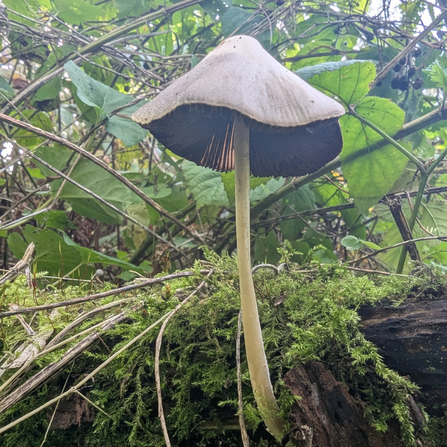
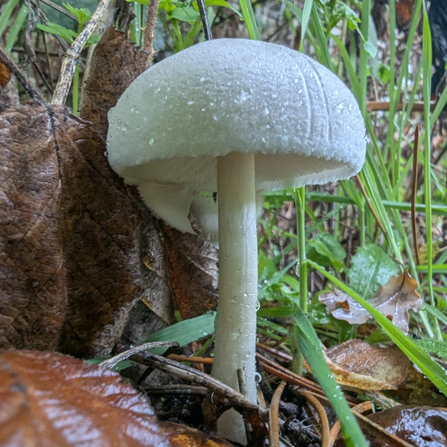
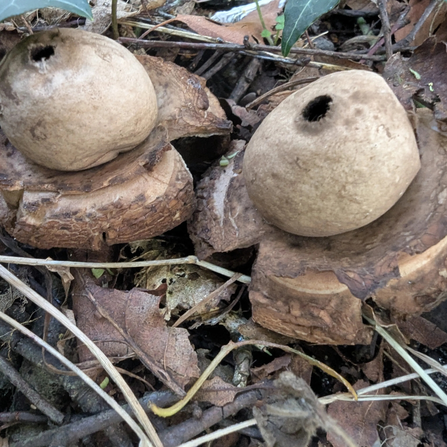
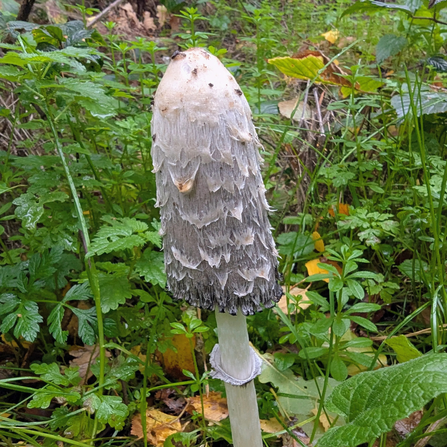
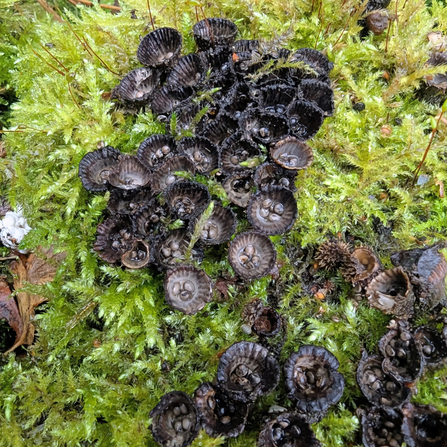
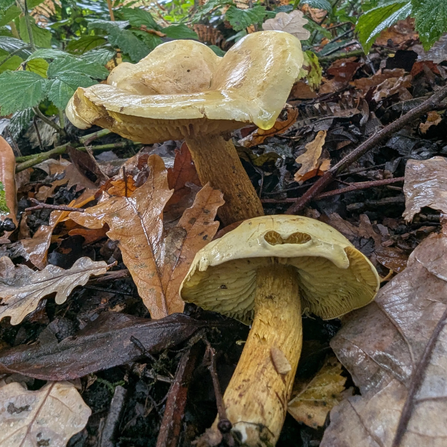
Mark has shared with a wonderful array of fungi photos, displayed below, from Fluted birds' nest fungi, collared earthstar, to shaggy mane and sulphur knight. Read more about the magnificent mushrooms you can hope to spot at Mere Sands Wood here

Have you seen some wonderful wildlife at one of reserves recently? Share with us on Facebook or Instagram

Don't have social media? You can send your snaps to us via this form

Alternatively, you could enter our monthly photography competition!